
WHY HAITI

The Challenge
The Challenge
The lack of coordinated, sustainable water and sanitation systems remains one of Haiti’s greatest challenges.
In a nation of approximately 11.5 million people, only about 58% of the population has access to “improved” drinking water. That leaves an estimated 4.6 million people relying on unsafe sources such as rivers and lakes. Access to sanitation is even more limited, with only about 28% of the population using improved facilities.
The impact on health is significant. Contaminated water and inadequate sanitation contribute to the spread of diseases such as cholera, diarrhea, dysentery, hepatitis A, and typhoid. These preventable illnesses continue to affect both children and older adults at high rates.
For decades, delivering water and sanitation solutions that last has remained an elusive goal. Challenges extend beyond infrastructure. Systems often break down due to limited maintenance funding, lack of technical capacity, fragmented efforts, and insufficient management and oversight.
Without strong systems to support them, even well-built water projects fail over time.
A Step Toward a Solution
A Step Toward a Solution
This is a long-term, nationwide effort. Starting with pilot communes, HANWASH brings together a network of partners to strengthen the systems required to deliver and sustain services over time, with local communities at the center.
This work goes beyond building infrastructure. It focuses on establishing the conditions that allow water systems to function and endure, including clear accountability, defined roles and responsibilities, and transparent, effective management.
By strengthening coordination across stakeholders and reinforcing local capacity, HANWASH supports the development of technically sound, financially viable, and safely managed water and sanitation services.
Based on lessons from early pilot efforts, HANWASH has developed a strategic roadmap focused on three priorities:
- Expanding awareness and alignment around the HANWASH model and approach
- Demonstrating scalable, systems-based success across pilot communes
- Strengthening the capacity of institutions to plan, manage, and sustain services
How did Haiti get to where it is today?
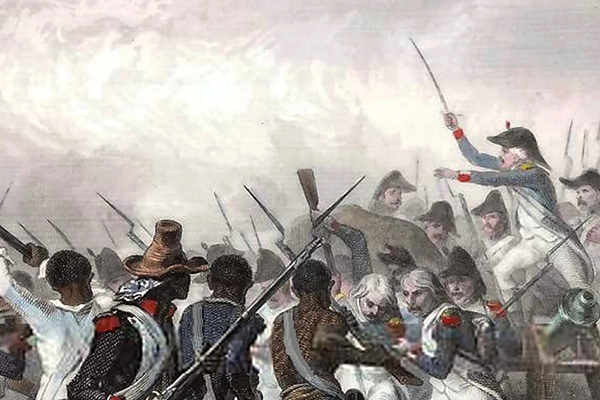
It started in 1804, 220 plus years ago. The world’s first example of a formally enslaved black people overthrowing the colonial power. It declared itself a free republic, the first free black republic. And that movement inspired slave rebellions around the world. But it also put fear into the hearts of leaders whose countries depended on those slaves for economic imperialism and power.
Since then, the story of Haiti has been one of foreign interventions, one after the other which interfered with Haiti’s politics than influenced it for the better.
One hundred twenty-five million francs in reparations imposed by France in 1825 as a fine on Haiti for overthrowing the colonial power. It took Haiti 122 years to pay off the debt.
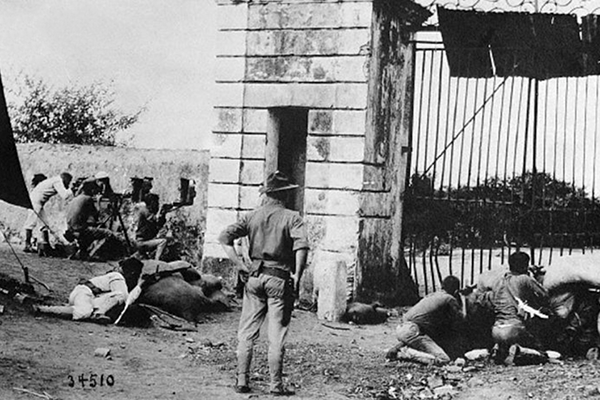
The US military occupation in 1919 – 1935 which effectively destroyed the country’s coffee industry, and the rice and trade policies of the Clinton administration which left the Haitian rice industry in tatters.
And more recently the US Parole Program which is bleeding the country dry of its smartest and most motivated people.
“In 2004, Haiti Outreach visited communities to survey wells and boreholes, and found that approximately
50% of them were non-functional.
50% of them were non-functional.