 Before the HANWASH intervention, water infrastructure in Cavaillon existed, but management was weak, coordination was limited, and local authorities played a largely passive role. The most significant change observed by the mayor is a shift in leadership, responsibility, and governance culture around WASH. Through training, structured collaboration, and the creation of water and sanitation committees, local authorities and communities moved from dependence to ownership.
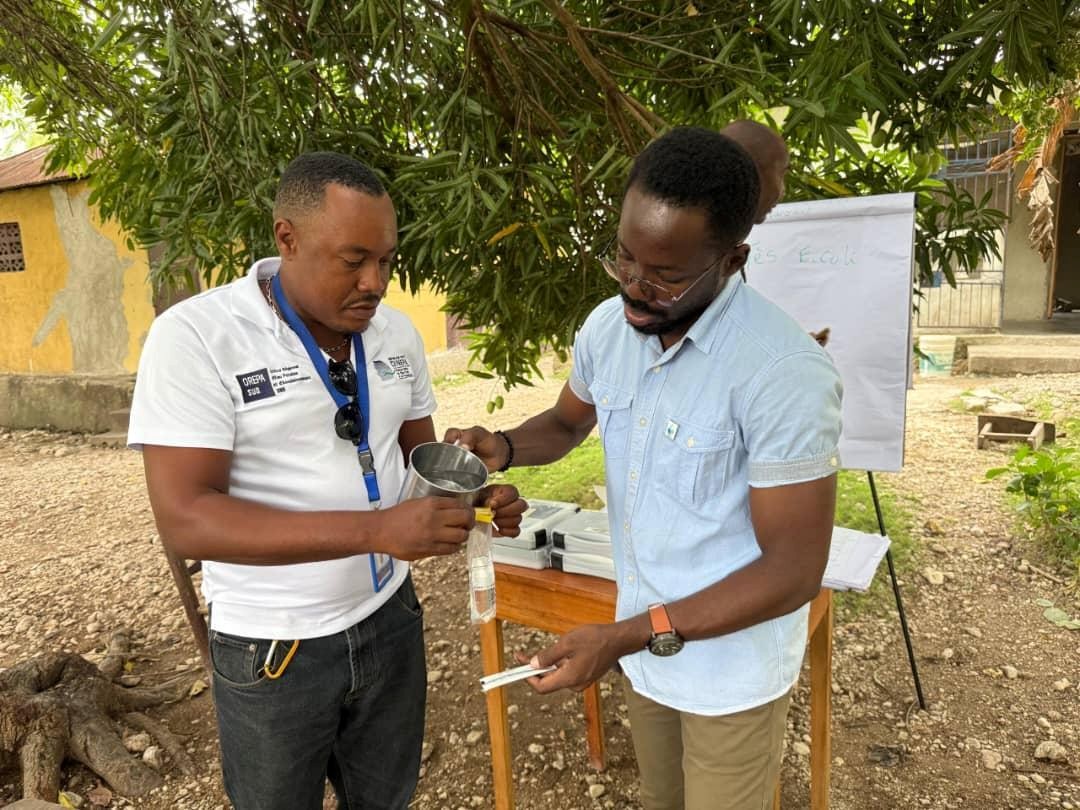
The mayor emphasized that leadership training helped local officials “update” their understanding of governance and service management, enabling them to play a more active role in guiding and supervising WASH services. The major says: ““There are things we did not know before, and through this HANWASH project, we came to understand them.”
Overall, the most significant change is that WASH is no longer seen as an external project but as a locally governed public service. The mayor described the HANWASH–Rotary partnership not as a transactional relationship but as a service to the population, enabling the municipality to fulfil its role more effectively.
“The population benefits. The municipality benefits. This partnership helps us move faster.”